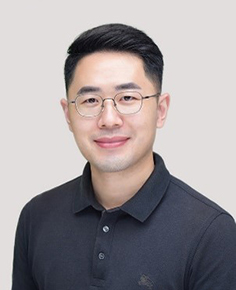
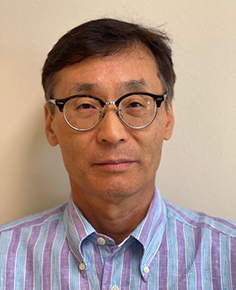
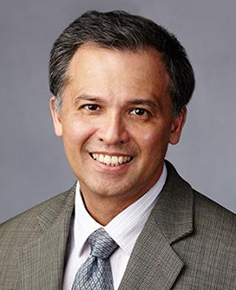
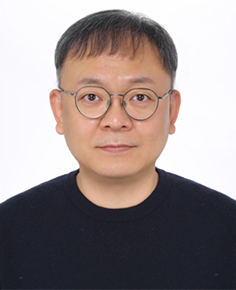
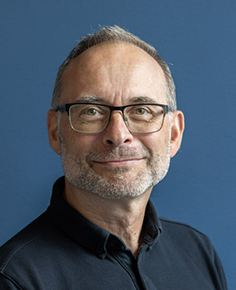
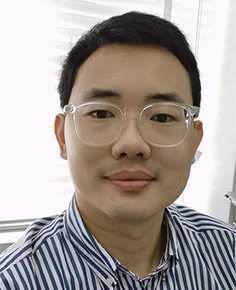
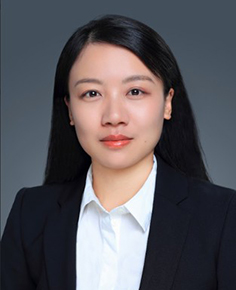
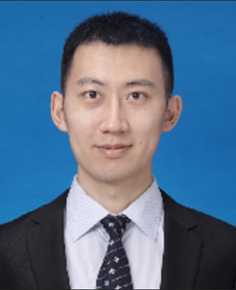
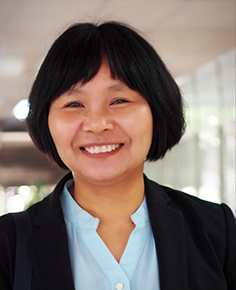
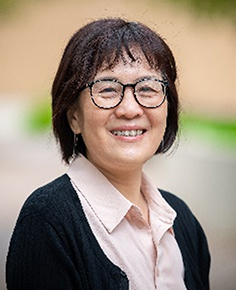
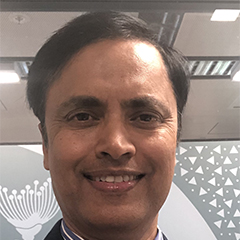
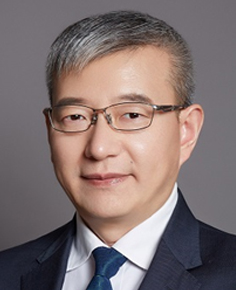
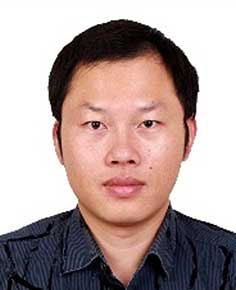
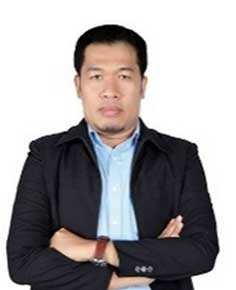
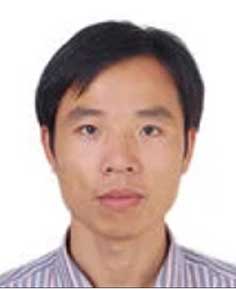
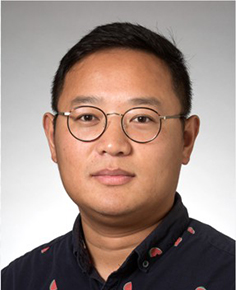
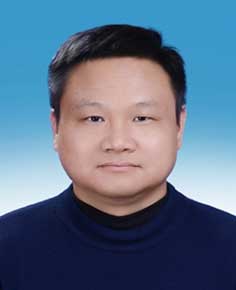
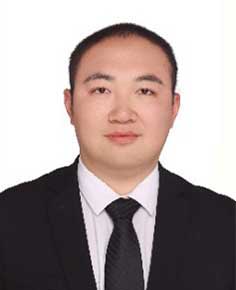
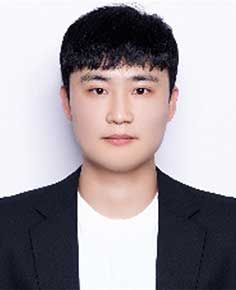
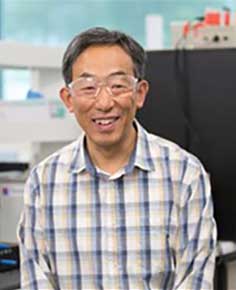
University of Edinburgh, United Kingdom Co-founder, UK Biochar Research Centre (UKBRC) Highly Cited Researcher
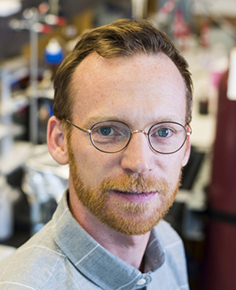
Prof. Ondřej Mašek holds the position of Personal Chair of Net Zero Emission Technologies at the University of Edinburgh, where his innovative leadership at the UK Biochar Research Centre (UKBRC) is setting new standards in the field of biochar production and development. With an 18-year career dedicated to advancing the thermo-chemical conversion of biomass and fossil resources into sustainable value-added products, Prof. Mašek's work is at the forefront of efforts to enhance energy efficiency, promote sustainability, and significantly reduce greenhouse gas emissions.
Since joining the University of Edinburgh in 2009, Prof. Mašek has co-founded the UKBRC within the School of Geosciences, establishing it as a leading institution in biochar research and application. His pioneering research is focused on converting biomass into biochar and its co-products, aiming at carbon sequestration and climate change mitigation while also improving agricultural productivity and resilience. Prof. Mašek is particularly renowned for his expertise in engineered biochar, where he applies advanced techniques to optimise its production and application, ensuring maximum environmental and economic benefits with minimal resource use.
Prof. Mašek's collaborative efforts extend far beyond the borders of the UK. He has led and participated in numerous projects in the UK, EU, and internationally. This global reach is a testament to his ability to forge strong partnerships with industry stakeholders ranging from innovative startups to international corporations. His scholarly contributions include over 200 peer-reviewed papers with over 11,200 citations, an h-index of 55, and an i-10 index of 128 (on Google Scholar). In 2023, he was recognised as a highly-cited researcher, placing him in the top 0.1% of researchers worldwide. This international recognition underscores his significant impact in the field and his potential as a valuable collaborator for international stakeholders.
Leading a dynamic research group of post-doctoral researchers, PhD and MSc students, and visiting scholars, Prof. Mašek is exploring a wide array of biochar-related applications. These include atmospheric carbon removal, environmental remediation, construction, and innovative uses in polymers and fermentation processes.
Biocharing the Rhizosphere
Prof. Yakov Kuzyakov
University of Goettingen, Germany Vytautas Magnus University, Lithuania Highly Cited Researcher
University of Goettingen, Germany Highly Cited Researcher
Yakov Kuzyakov (born August 27, 1963 in Moscow) is a soil scientist and ecologist whose research focuses on soil science, ecology, land use, carbon and nitrogen cycling, the rhizosphere, and climate change. After graduating in 1986 from Martin Luther University of Halle-Wittenberg, he earned his Ph.D. in 1990 at the Moscow Timiryazev Agricultural Academy, where he later led a radioisotope laboratory. He moved to Germany in 1993, working at Humboldt University and completing his habilitation at the University of Hohenheim in 1997. Kuzyakov became a professor of Agroecosystem Research at the University of Bayreuth in 2006 and, since 2011, has held the chair of Soil Science of Temperate Ecosystems and Agricultural Soil Science at the University of Göttingen. His work is widely recognized for advancing understanding of plant-soil interactions, particularly carbon and nitrogen fluxes in the rhizosphere, the priming effect, microbial "hotspots," and decomposition of organic compounds. He has pioneered innovative methods such as isotope tracing, zymography for enzyme visualization, and root exudate tracking. With more than 960 publications and an H-index above 120, he has been named a Highly Cited Researcher multiple times and is considered one of the leading global experts in soil ecology and biogeochemistry.
Biochar as an Inhibitor of Soil Nitrous Oxide Emissions
Prof. Scott Chang
University of Alberta, Canada Highly Cited Researcher Awardee, Environmental Quality Research Award (2025), American Society of Agronomy, Soil Science Research Award (2024) and Applied Research Award (2023), Soil Science Society of America
University of Alberta, Canada Highly Cited Researcher Awardee, Environmental Quality Research Award (2025), American Society of Agronomy, Soil Science Research Award (2024) and Applied Research Award (2023), Soil Science Society of America
Dr. Scott Chang is a Professor at the University of Alberta. His research focuses on soil nutrient cycling, land reclamation, agroforestry, and global change biology. He has published in prestigious journals such as Nature, Nature Ecology & Evolution, Nature Communications, Global Change Biology, and Ecology Letters as a corresponding author. He was named a Highly Cited Researcher by Clarivate in 2023 and 2024. He was elected a Fellow of the International ESG Association (2023), the Canadian Society of Soil Science (2018), the Soil Science Society of America (SSSA, 2016), and the American Society of Agronomy (ASA, 2016). He received the Environmental Quality Research Award (2025) from ASA, the Soil Science Research Award (2024) and the Soil Science Applied Research Award (2023) from SSSA, as well as the Kingenta Agricultural Science Award (2020) from ASA.
Novel biochar composites for the removal of contaminants in water and soil
Prof. Jörg Rinklebe
University of Wuppertal, Germany Past-President, International Society of Trace Element Biogeochemistry (ISTEB), 2024-2025 Highly Cited Researcher
University of Wuppertal, Germany Past-President, International Society of Trace Element Biogeochemistry (ISTEB), 2024-2025 Highly Cited Researcher
Dr. Jörg Rinklebe is Professor for Soil- and Groundwater-Management at the University of Wuppertal, Germany. He has been selected as ISI Web of Science Highly Cited Researcher in 2019, 2020, 2021, 2022. Prof. Rinklebe was Vize-President, President and is now Past-President of the International Society of Trace Element Biogeochemistry (ISTEB). His academic background covers environmental science, bioavailability of emerging contaminants, and remediation of contaminated sites. His main research is on soils, sediments, waters, plants, and their pollutions and linked biogeochemical issues with a special focus in redox chemistry. He also has a certain expertise in soil microbiology. Prof. Rinklebe published plenty of scientific papers in leading international and national journals. According to SCOPUS data base (20.05.2025), he published 580 articles, which have been cited 46,923.0 times with h-index = 114. Also, he published five books entitled "Trace Elements in Waterlogged Soils and Sediments" (2016), "Nickel in Soils and Plants" (2018), "Soil and Groundwater Remediation Technologies" (2020), "Vanadium in soils and plants" (2022), "Methylmercury Accumulation in Rice" (2024), as well as numerous book chapters. Prof. Rinklebe was serving as Editor in Chief for Environmental Pollution, and he was Editor of the Journal of Hazardous Materials; Co-Editor in Chief of the international journal Critical Reviews in Environmental Science and Technology (CREST) and guest editor of the international journals Environment International, Chemical Engineering Journal, Science of the Total Environment, Chemosphere, Journal of Environmental Management, Applied Geochemistry, and Environmental Geochemistry and Health. Also, he is member on several editorial boards (Ecotoxicology, Geoderma, Water, Air, & Soil Pollution, Archive of Agronomy and Soil Science). Prof. Rinklebe was the chair of the first joint international conferences of Biogeochemistry of Trace Elements" (ICOBTE) and "International Conference on Heavy Metals in the Environment" (ICHMET) in September 2023,. He was an invited speaker (plenary and keynote) at many international conferences. In 2016, Prof. Rinklebe got an appointment as Honorable Ambassador for Gangwon Province, South-Korea which was renewed in June-2018. Also, he got an appointment as Adjunct Professor at the University of Southern Queensland, Australia, Visiting Professor at the Sejong University, Seoul, South Korea and Guest Professor at the China Jiliang University, Hangzhou, Zhejiang, China.
Beyond the Hype: Realizing the Potential of Biochar Through Science, Innovation, and Responsible Deployment
Prof. Meththika Suharshini Vithanage
Geological Survey of Denmark and Greenland, Denmark Founding Director, Ecosphere Resilience Research Centre at the University of Sri Jayewardenepura, Sri Lanka Adjunct Professor, Institute of Agriculture, University of Western Australia
Geological Survey of Denmark and Greenland, Denmark Founding Director, Ecosphere Resilience Research Centre at the University of Sri Jayewardenepura, Sri Lanka Adjunct Professor, Institute of Agriculture, University of Western Australia
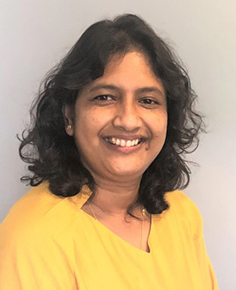
Prof. Meththika Vithanage is a distinguished academic and the founding director of the Ecosphere Resilience Research Centre at the University of Sri Jayewardenepura, Sri Lanka. Prof. Vithanage also serves as an Adjunct Professor at the Institute of Agriculture, University of Western Australia, and the University of Petroleum and Energy Studies, India, with previous affiliations at the National Institute of Fundamental Studies, Sri Lanka. With an interdisciplinary focus spanning water chemistry, environmental remediation, microplastics, and waste biomass conversion, she has been recognized as a Highly Cited Researcher by Clarivate, ranking in the top 0.1% of highly cited scientists globally. Her accolades include the prestigious 2026 TWAS Award in Earth, Climate and Environmental Sciences for her groundbreaking research on biochar, underscoring her commitment to advancing sustainable solutions. Prof. Vithanage's publication record includes over 275 SCI-indexed journal articles, 60 book chapters, and 10 co-edited books, making her a prolific contributor to the global scientific community. With a citation record exceeding 29,000 and an H-index of 86, her work has had a profound impact on the fields of environmental sustainability and resilience. Beyond academia, she has actively engaged with the public through more than 100 newspaper articles, furthering scientific literacy and advocacy.
Achieving Carbon Neutrality and a Circular Economy with Biochar
Prof. Hailong Wang
Foshan University, China Director, Biochar Engineering Technology Research Center of Guangdong Province, China Highly Cited Researcher
Foshan University, China Director, Biochar Engineering Technology Research Center of Guangdong Province, China Highly Cited Researcher
Dr. Hailong Wang is a distinguished professor in environmental science at Foshan University, China. Prior to his professorship in China, he was a senior scientist at Scion, a Crown Research Institute of New Zealand. His research focuses on application of biochar and its impacts on the ecosystems, and remediation of contaminated environments. Dr. Wang is a Highly Cited Researcher, an Executive Editor for BIOCHAR and Carbon Research, and the Director of The Biochar Engineering Technology Research Center of Guangdong Province. As a board member of the International Biochar Initiative and the China National Biochar Technology Innovation Alliance, and the Chairman of the Biochar Industry Technology Innovation Alliance of Guangdong Province, Dr. Wang works closely with the biochar industry.
Innovations in carbon and lithium materials?at the intersection of decarbonization and electrification
Prof. Daniel Alessi
The University of Texas at Austin, United States Fellow, Royal Society of Chemistry Associate Editor, Environmental Science & Technology
The University of Texas at Austin, United States Fellow, Royal Society of Chemistry Associate Editor, Environmental Science & Technology
Dr. Daniel S. Alessi is a professor and the Encana Chair in Water Resources in the Department of Earth and Atmospheric Sciences at the University of Alberta, who specializes in environmental geochemistry and geomicrobiology. His research group focuses on developing technologies for critical minerals extraction, on understanding the surface chemistry and reactivity of environmental materials such as pyrogenic carbon, iron oxides, bacteria, and clays, and on improving our knowledge of the water cycle in natural catchments and industrial operations. He was inducted as a member of the College of New Scholars, Artists and Scientists of the Royal Society of Canada in 2022 and named a Fellow of the Royal Society of Chemistry in 2023.
Unconventional Biochar Applications and Functionality-driven designs
Prof. Daniel C. W. Tsang
The Hong Kong University of Science and Technology, Hong Kong, China Editor-in-Chief, npj Materials Sustainability Chairman, Hong Kong Waste Management Association (HKWMA)
The Hong Kong University of Science and Technology, Hong Kong, China Editor-in-Chief, npj Materials Sustainability Chairman, Hong Kong Waste Management Association (HKWMA)
Prof. Dan Tsang is a Professor in the Department of Civil and Environmental Engineering at the Hong Kong University of Science and Technology and Pao Yue-Kong Chair Professor in the State Key Laboratory of Clean Energy Utilisation at Zhejiang University in China. Dan was a Professor and MSc Programme Leader at the Hong Kong Polytechnic University, Visiting Professor at the University of Queensland in Australia and Chulalongkorn University in Thailand, Visiting Scholar at Stanford University in the US and IMETE Scholar at Ghent University in Belgium, and postdoctoral fellow at Imperial College London in the UK. He has more than 20 years of R&D experience, published more than 500 articles in top 10% journals, and was selected as Stanford University's Top 2% Scientists and Clarivate's Highly Cited Researchers in the academic fields of Engineering as well as Environment & Ecology. Dan's team aspires to develop green technologies for long-term decarbonisation and promote resources circularity and sustainable development. Dan also serves as the founding Editor-in-Chief of npj Materials Sustainability, Chairman of the Hong Kong Waste Management Association (HKWMA), and Chairman of Waste Management Subcommittee of the Advisory Council on the Environment (ACE) of the Hong Kong SAR Government.
Artificial intelligence-empowered biochar engineering: From design fundamentals to commercialization
Prof. Xiangzhou Yuan
Southeast University, China Associate Editors, Biochar, Carbon Research World's Top 2% Scientist
Southeast University, China Associate Editors, Biochar, Carbon Research World's Top 2% Scientist
Prof. Xiangzhou Yuan is a Youth Chair Professor at the School of Energy and Environment in Southeast University, Nanjing, China, and was the recipient of the National Nature Science Fund for Distinguished Young Scholars (2022) and one of World's Top 2% Scientists (2023-2025). He has published over 100 refereed journal articles including Nat. Rev. Earth Env. (IF: 73.7), 10 out of them are highlighted as Covers (i.e., Front, Back) and 5 are recognized as HCPs (1%). Dr. Yuan registered 8 patents and achieved 2 technology transfer (KR10-2197821 & KR10-1650191). He is active in serving as a Program Leader of the Association of Pacific Rim Universities Sustainable Waste Management (APRU SWM) Program, Deputy Editor-in-Chief of The Korean Society of Environmental and Energy Engineering (KSEEE), Council Member of Jiangsu Energy Research Society and Jiangsu Energy Industry Association, Deputy Director of Key Laboratory of Functional Polymers for Sustainability of Jiangsu, and Senior Membership of the International Association for Carbon Capture, etc. Moreover, He has been invited to deliver keynote and invited speeches for over 40 international conferences in energy, engineering, and environmental fields. He also serves as Associate Editors of Biochar (IF: 13.5) and Carbon Research (CiteScore: 15.8), Guest Editors of Carbon Energy (IF: 24.2) and others, and Editorial Board Members of Nano-Micro Letters (IF: 36.3), Carbon Neutraility (IF: 12.5), and others.
Modeling Long-Term Biochar Amendment Effects on Soil Processes, Crop Productivity, and Climate Resilience across Laboratory and Field Scales
Prof. Chang Yoon Jeong
Louisiana State University, United States Member, Science Advisory Council for the Louisiana Climate Initiatives Task Force (CITF) Organizing chair, 4th International Symposium on Hydrothermal Carbon (2025)
Louisiana State University, United States Member, Science Advisory Council for the Louisiana Climate Initiatives Task Force (CITF) Organizing chair, 4th International Symposium on Hydrothermal Carbon (2025)
Changyoon Jeong earned his Ph.D. in environmental chemistry from the University of Nottingham in the United Kingdom. He is currently an associate professor at the Louisiana State University Agricultural Center and serves as an adjunct professor in the Department of Biological Sciences at the College of Arts and Sciences, Louisiana State University in Shreveport, LA. Additionally, he is a member of the Science Advisory Council for the Louisiana Climate Initiatives Task Force (CITF), organized by the office of the Governor of Louisiana. Dr. Jeong was the organizing chair for the 4th International Symposium on Hydrothermal Carbon, held from January 21-24, 2025, at the Sheraton Hotel in New Orleans, Louisiana, USA. His primary research areas include water quality management and soil and water conservation, focusing on improving crop production through various management practices such as the application of biochar and hydrochar. His research investigates the effects of biochar and hydrochar applications on water quality, greenhouse gas emissions, and crop production. Recently, he evaluated the use of pelletized biochar combined with fertilizer as a slow-release solution to enhance nutrient use efficiency and mitigate greenhouse gas emissions. Dr. Jeong has conducted several biochar projects funded by the USDA, NRCS, and the Louisiana Commodity Board. He has published numerous scientific papers in peer-reviewed journals, including Environmental Pollution, Energies, Science of the Total Environment, and the Journal of Environmental Quality.
Biochar as a Facilitator in Environmentally Relevant Biochemical and Chemical Reactions
Prof. Eakalak Khan
University of Nevada, United States Awardee, Fair Distinguished Engineering Educator Medal, Water Environment Federation (2023) Fellow, International Water Association (2024)
University of Nevada, United States Awardee, Fair Distinguished Engineering Educator Medal, Water Environment Federation (2023) Fellow, International Water Association (2024)
Eakalak Khan is a Professor in Civil and Environmental Engineering and Construction Department and the Director of the Interdisciplinary Graduate Program in Water Resources, University of Nevada, Las Vegas (UNLV). From 2002 to 2017, he was a Professor in Civil and Environmental Engineering Department, North Dakota State University (NDSU). He also served as the Chair of Civil Engineering Department, NDSU from 2010 to 2013. Prior to NDSU, he was an Assistant Professor in the Department of Civil Engineering, New York University (formerly Polytechnic University), New York from 1999 to 2002. He received his Bachelor of Engineering in Environmental Engineering from Chiang Mai University, Thailand in 1990, M.S. in Agricultural Engineering from University of Hawaii in 1993, and Ph.D. in Civil Engineering from University of California, Los Angeles (UCLA) in 1997. In 1998, he was a Postdoctoral Research Associate at the Institute of Environment, UCLA. Eakalak has published more than 200 refereed journal articles. His research has been well supported (~13 million U.S. dollars) by various governmental and private agencies including National Science Foundation (NSF), National Aeronautics and Space Administration, United States Geological Survey, United States Department of Agriculture, United States Department of Energy, New York State, District of Columbia, and Cyrus Tang Foundation. He was awarded a CAREER grant from the National Science Foundation in 2005. His honors include the NDSU Odney Award for Excellence in Teaching, 2008; Researcher of the Year, College of Engineering, NDSU, 2005; Water B. Booth Endowed Distinguished Professorship, NDSU, 2017; Water Environment Federation Fellow, 2019; Distinguished Researcher Award, Howard R. Hughes College of Engineering, UNLV, 2023; Fair Distinguished Engineering Educator Medal, Water Environment Federation, 2023; and International Water Association Fellow, 2024.
Field evidence demonstrates soil plastics erode rhizosphere microbiome networks and alter plant physiology
Prof. Ho Won Jung
Dong-A University, South Korea First Author, Priming in Systemic Plant Immunity (Science, 2009) First Author, Pathogen-Associated Molecular Pattern (Plant Cell, 2020), Plant Molecular Biology and Immunity (Plant, Cell & Environment, 2003)
Dong-A University, South Korea First Author, Priming in Systemic Plant Immunity (Science, 2009) First Author, Pathogen-Associated Molecular Pattern (Plant Cell, 2020), Plant Molecular Biology and Immunity (Plant, Cell & Environment, 2003)
Ho Won Jung, Ph.D., is Professor of Applied Bioscience at Dong-A University and a plant pathologist known for revealing how plants mount rapid, durable immune responses. His group showed that early pattern-triggered immunity rewires RNA surveillance by degrading core nonsense-mediated mRNA decay factors (*Plant Cell*, 2020; first & senior author), helped establish systemic defense “priming” at the whole-plant level (*Science*, 2009; first author), and earlier identified stress-responsive lipid transfer proteins in pepper (*Plant, Cell & Environment*, 2003; first author). Beyond immunity, his lab also investigates agro-plastics, demonstrating that plastics in soil can reshape the rhizosphere microbiome and alter plant transcriptomes in *Arabidopsis*. Since 2010 he has led a research program linking receptor signaling, proteostasis, RNA quality control, and environmental stressors to practical disease resistance in model and crop systems.He completed a postdoctoral fellowship at the University of Chicago (2005-2010) and earned his Ph.D. (Plant Pathology), M.S., and B.S. in Agricultural Biology from Korea University.
Green Synthesis and Directional Regulation of High-Value Biochar Materials
Prof. Haiping Yang
Huazhong University of Science and Technology, China Associate Editor, Fuel Processing Technology Highly Cited Researcher
Huazhong University of Science and Technology, China Associate Editor, Fuel Processing Technology Highly Cited Researcher
Haiping Yang received her Ph.D Degree from Huazhong University of Science and Technology in 2005. Now, she is focused on Biomass/solid wastes thermochemical conversion for green H2 production, liquid fuel and biochar. So far she has published over 300 SCI papers, 10 book chapters and SCI citation is over 30000 with 10 papers cited in ESI and the highest citation of one SCI paper is over 6000. Now she owns National Science Fund for Distinguished Young Scholars program (China), the Excellent Young Scholars program (China), Newton Advanced Fellowships, the Most Cited Chinese Researchers (Elsevier, 2014-2023) and Highly-cited-researchers @ Clarivate. She is associated editor of Fuel Processing Technology, and board member of Energy Conversion and Management, Fuel, Journal of the Energy Institute, Journal of Analytical and Applied Pyrolysis, Cabon Capture Science and Technology and Green Carbon, she is also Board Directors member of Combustion Institute and Chinese Renewable Energy Society.
Recycling tailored biochar into carbon-negative cementitious composites
Prof. Lei Wang
Zhejiang University, China Secretary General, International Cooperation Working Committee in Chinese Society of Power Engineering World’s Top 2% Scientist
Zhejiang University, China Secretary General, International Cooperation Working Committee in Chinese Society of Power Engineering World’s Top 2% Scientist
To be updated.
Biochar derived from Water Hyacinth for Energy, Soil Amendment, and Agricultural Applications in Ethiopia
Prof. Shinjiro Sato
Soka University, Japan Principal Researcher, JICA-JST International Science and Technology Research Partnership for Sustainable Development
Soka University, Japan Principal Researcher, JICA-JST International Science and Technology Research Partnership for Sustainable Development
Professor at the Faculty of Science and Engineering, Soka University. Graduated from the Faculty of Letters, Soka University, completed a master's degree in Environmental Science at the University of Tsukuba, and a doctorate in Department of Soil and Water Science at the University of Florida. Ph.D. (Soil Science). Engaged in research topics in the effects of biochar as a soil amendment and crop production. Received the Society Award from the Japan Carbonization Research Society. Engaged in research and development related to building a recycling, sustainable society in Ethiopia, including as the principal researcher for the JICA-JST International Science and Technology Research Partnership for Sustainable Development (SATREPS-EARTH).
Prof. Hirotomo Nishihara
Tohoku University, Japan Editor, Carbon Chief Science Officer
Tohoku University, Japan Editor, Carbon Chief Science Officer
Hirotomo Nishihara is a full professor at Tohoku University, Japan. He received his academic degrees from Kyoto University in 2005 and has spent most of his academic career at Tohoku University. His research focuses on carbon materials, encompassing their synthesis through a wide range of approaches, including biomass conversion, as well as their characterization and functional applications. In 2022, he expanded his research activities into the industrial domain by founding a startup company, 3DC. As Chief Science Officer, he is actively engaged in the industrialization of novel porous carbon materials. He also serves as an editor of Carbon (Elsevier).
Assessing Biochar Permanence from an Inertinite Perspective
Prof. Henrik I. Petersen
Geological Survey of Denmark and Greenland (GEUS) in Copenhagen (Denmark)
Geological Survey of Denmark and Greenland (GEUS) in Copenhagen (Denmark)
Professor Henrik I. Petersen is working with carbon storage in the Department of Geoenergy and Storage at the Geological Survey of Denmark and Greenland (GEUS) in Copenhagen, Denmark. He holds a PhD and a Doctor of Science degree - the highest possible academic degree in Denmark. He is a globally acknowledged expert in organic petrology and geochemistry with 36 years of experience from academia and the petroleum industry. He has served as Vice-President for the International Committee for Coal and Organic Petrology (ICCP) from 2011-2014. Prof. Petersen's expertise spans, among other things, deposition and preservation of organic matter, coal combustion, source rocks, CCS, and biochar. He has an extensive publication record and is a leading researcher in biochar composition and permanence using natural inertinite (fusinite) as a benchmark for organic carbon stability. Prof. Petersen is currently leading a project for the Danish Ministry of Climate, Energy and Utilities with the scope to develop a model for implementation of biochar in the Danish emission inventory and climate projection.
First-Principal Investigation of B-Site Doped LaCoO3 for Thermochemical Hydrogen Production: Electronic Structure and Reaction Kinetics
Dr. Tianqi Wang received his Bachelor’s (2012) and Master’s (2015) degrees from Nanchang University, and his Ph.D. (2018) from The Chinese University of Hong Kong, all in Environmental Engineering/Science. Following his doctoral studies, he worked as a Postdoctoral Fellow at City University of Hong Kong and Shenzhen University. In 2022, he was appointed Assistant Professor at Macau University of Science and Technology. He is currently an Associate Professor at Shantou University. Dr. Wang has published 50 peer-reviewed papers with an H-index of 24. His research focuses on wastewater treatment, adsorption-enhanced (photo)catalytic conversion, adsorption and separation processes, and environmental functional materials.
First-Principal Investigation of B-Site Doped LaCoO3 for Thermochemical Hydrogen Production: Electronic Structure and Reaction Kinetics
Prof. Lifeng Li
Harbin Institute of Technology, China Youth Editorial Board Member, Carbon Neutrality; Sustainable Carbon Materials
Harbin Institute of Technology, China Youth Editorial Board Member, Carbon Neutrality; Sustainable Carbon Materials
Prof. Lifeng Li has been an associate professor at Harbin Institute of Technology (HIT) since 2023. She earned a Ph.D. degree from the Australian National University in 2020, a joint Master's degree from KIT, Germany, and Uppsala University, Sweden. She conducted postdoctoral research at NUS. Her research focuses on solar-driven high-temperature thermochemical processes and systems, particularly on multiphase flow, heat and mass transfer, chemical reaction kinetics, and multi-physics coupling mechanisms.
La-Ce Synergy Boosted Non-Local Cation Redox in A-Site High-Entropy Perovskites for Thermochemical Hydrogen Production
Bo Wang is an Associate Professor at the School of Energy Science and Engineering, Harbin Institute of Technology, and serves as the Office Director of the Belt and Road Joint Laboratory for Advanced Energy and Power Technology. His research focuses on high-efficiency solar-thermal conversion and its applications in thermochemical hydrogen production, biomass valorization, and in-situ utilization of space resources. He is a recipient of the National Young Talent Program and has served as Principal Investigator of several major grants from the National Natural Science Foundation of China (NSFC) and?Ministry of Science and Technology (MOST). He has published over 30 journal papers, two book chapters, and holds two authorized national invention patents?work that continues to advance integrated solar-thermal systems for sustainable energy and space exploration.
Zhi Chen obtained his Ph.D. degree in materials chemistry and physics in 2006 from the Shanghai Institute of Ceramics, Chinese Academy of Sciences. After that, he worked as a postdoctor/research fellow at University of Milan, ENS de Cachan, Shanghai Institute of Ceramics Chinese Academy of Sciences (SICCAS), Kanagawa University, Tokyo Institute of Technology, respectively. From 2013 to the present, he has worked at the College of Materials and Chemistry, China Jiliang University. His current research interests include the design and synthesis of advanced nanostructures with applications in sustainable energy and environmental control.
Dr. Ming Zhang is a full Professor at the Department of Environmental Engineering at China Jiliang University. His research interests include soil remediation, biochar and other novel sorbents for environmental application, and microplastics. His publications, including Environmental Science & Technology, Water Research, Journal of Hazardous Materials, Environmental Pollution, et al., have received 10,000 citations with an H-index of 38. He was selected as Clarivate Highly Cited Researchers in 2022, and World’s Top 2% Scientists (2023-2025).
Dr. Wangyun Won is a Professor in the Department of Chemical and Biological Engineering at Korea University, specializing in Process Systems Engineering for sustainable energy and environmental applications. After earning his Ph.D. from Sogang University, he gained valuable industry experience at GS Engineering & Construction and conducted advanced postdoctoral research at the University of Wisconsin?Madison. His research focuses heavily on carbon capture and utilization (CCU), techno-economic analysis, life cycle assessment, and the hydrogen economy. In recognition of his impactful work, Dr. Won has received numerous prestigious accolades, including the SCEJ Asia Research Award and election as a member of the Young Korean Academy of Science and Technology (Y-KAST).
Prof. Armando T. Quitain received his Ph.D. in Chemical Engineering from Nagoya University on a MEXT scholarship in 2000. He is currently a Professor at Kumamoto University. Prior to joining Kumamoto University, he was a Senior Researcher at the Research Institute for Solvothermal Technology (Japan). His research interests center on the development of green technologies based on microwave carbocatalysis and supercritical fluids for biomass conversion. He recently led an e-ASIA Joint Research Project on alternative energy (bioenergy) and is currently working on a SATREPS (JST/JICA) project with a Thai team on "blue carbon" valorization to support a bio-circular green economy. He continues to collaborate with European and ASEAN researchers on biomass valorization. He has also developed student exchange programs to cultivate future science, technology, and innovation (STI) leaders who will promote sustainability in the Japan-ASEAN region and beyond.
Khon Kean University (B.Sc.,1994), Michigan Technological University, USA (M.Sc. 1999), Michigan Technological University, USA (PhD. 2002), Lecturer (2002-2007), Assistant Professor (2007-2012), Associate Professor (2012-present) at department of Chemistry, faculty of Science, Chiang Mai University, Thailand
Research of interest: advanced materials for renewable energy storage applications, especially focuses on the development of high-performance anode materials for lithium-ion and next-generation batteries, including metal nanoparticle?graphene composites, biomass-derived silicon-based materials, and porous carbon. The research emphasizes sustainable and scalable synthesis approaches, along with comprehensive physical, chemical, and electrochemical characterization to understand structure?property relationships. By integrating nanotechnology and biomass-derived resources, we aim to design cost-effective, environmentally friendly materials with enhanced energy storage performance, contributing to the advancement of next-generation battery technologies.
89 international publications, Bronze Medal Award for the invention "Highly porous carbon and nano silicon-based materials from biomass for use as anode materials in lithium- and sodium-ion batteries." at the 50th International Exhibition of Inventions Geneva 2025
Khon Kean University (B.Sc.,1994), Michigan Technological University, USA (M.Sc. 1999), Michigan Technological University, USA (PhD. 2002), Lecturer (2002-2007), Assistant Professor (2007-2012), Associate Professor (2012-present) at department of Chemistry, faculty of Science, Chiang Mai University, Thailand
Research of interest: advanced materials for renewable energy storage applications, especially focuses on the development of high-performance anode materials for lithium-ion and next-generation batteries, including metal nanoparticle?graphene composites, biomass-derived silicon-based materials, and porous carbon. The research emphasizes sustainable and scalable synthesis approaches, along with comprehensive physical, chemical, and electrochemical characterization to understand structure?property relationships. By integrating nanotechnology and biomass-derived resources, we aim to design cost-effective, environmentally friendly materials with enhanced energy storage performance, contributing to the advancement of next-generation battery technologies.
89 international publications, Bronze Medal Award for the invention "Highly porous carbon and nano silicon-based materials from biomass for use as anode materials in lithium- and sodium-ion batteries." at the 50th International Exhibition of Inventions Geneva 2025
From Roads to Rivers: Tire Wear Particles in Stormwater and the Path to Sustainability
Prof. Ajit Sarmah
University of Auckland, New Zealand Web of Science Highly Cited Researcher 2021, 2022, 2023
University of Auckland, New Zealand Web of Science Highly Cited Researcher 2021, 2022, 2023
Prof. Ajit K Sarmah is currently a Full Professor of Civil and Environmental Engineering at the University of Auckland (UoA), New Zealand. He is also an Adjunct Professor at the Institute of Agriculture, University of Western Australia, Perth, AUSTRALIA, and an Honorary Professor at the Centre for Sustainable Water Research, Indian Institute of Technology, Guwahati, INDIA. Prof. Sarmah has gained significant national and international recognition for his applied research in BIOCHAR. His pioneering work on biochar’s use in non-soil areas such as wood plastic composites, construction & building sectors, decarbonization technology, including CO 2 sequestration in concrete with biochar as filler gained significant international recognition. His other areas of research include agricultural waste valorization, soil security in a changing world, environmental fate modelling of emerging contaminants such as steroid hormones (both single-free and conjugated forms), veterinary antibiotics and pharmaceutical compounds. Additionally, ongoing work involves fate and transport tire-wear particles and other microplastics and life cycle analysis of biomass-derived biochar for application in diverse sectors to reduce carbon footprint. Prof. Sarmah is 2021, 2022, 2023 Clarivate highly Cited Researcher and to date he has published >200 papers in ISI-Web of Science listed Journals, 10 book chapters, 2 Books and presented 30 plenary and keynote addresses in international conferences/symposiums. Dr. Sarmah’s papers have been cited more than 28,000 (Google) times with Google h-index = 81. Prof. Sarmah is an Editorial Advisory Board member of Elsevier’s “TrAc Trends in Analytical Chemistry”, “Critical Reviews in Environmental Science & Technology”, Associate Editor for “Environmental Management”, and Board Member of Springer’s “BIOCHAR” and “Carbon Research”. Earlier he served as Associate Editor for Elsevier’s Science of the Total Environment, and Associate Editor for Elsevier’s “Process Safety & Environmental Protection”.
Biochar and Functional Carbon Materials from Biomass and Organic Waste
Prof. Shicheng Zhang
Fudan University, China Director, Shanghai Technical Service Platform for PC&RU of Organic Wastes Associate Editor, Environmental Engineering Research, Associate Editor, npj Materials Sustainability Editorial Borad, Processes, Biomass, Environmental Sanitation Engineering (Chinese)
Fudan University, China Director, Shanghai Technical Service Platform for PC&RU of Organic Wastes Associate Editor, Environmental Engineering Research, Associate Editor, npj Materials Sustainability Editorial Borad, Processes, Biomass, Environmental Sanitation Engineering (Chinese)
Shicheng Zhang is a full professor at the department of environmental science and engineering, Fudan University, Shanghai, China, and the director of Shanghai Technical Service Platform for Pollution Control and Resource Utilization of Organic Wastes. He currently serves as a core group member of the Sustainable Waste Management Program for the Association of Pacific Rim Universities (APRU SWMP), the scientific committee member of World Society of Engineering Thermochemistry (WSETC), fellow member of Australasia Practical Zero Emissions Society (APZES). His research group is focusing on biomass waste and organic waste utilization by chemical, biological and biochemical methods, especially hydrothermal conversion of organic waste to high value-added products. Prof. Zhang has published 9 book chapters, more than 270 journal papers. He has received several awards for his scholarly achievements, such as the Second Prize of Natural Science Award for Scientific Research in Colleges and Universities of the Ministry of Education, Shanghai Oriental Talents Program - Top-notch Talents Sub-Program and so on. He serves as an associate Editor of Environmental Engineering Research and npj Materials Sustainability, etc. He has been recognized as the World’s Top 2% Scientist and the Highly Cited Researcher.
Biochar Enhances Anaerobic Digestion: the Mechanisms and Future Perspectives
Dr. Junting Pan currently serves as a full professor for Institute of Agricultural Resources and Regional Planning of the Chinese Academy of Agricultural Sciences. He was also selected as a talent youth scholar by Chinese Academy of Agricultural Sciences. His main research focus on the biological conversion of agricultural waste. His research interests are mainly concentrated on improving the efficiency of anaerobic digestion/aerobic composting of agricultural waste, reducing ammonia and greenhouse gas emissions during aerobic composting, and preparing high-value bio-based materials. He has led over 10 projects including the National Science and Technology Major Project, Youth and Gernal Program of National Natural Science Foundation of China. He has published over 100 papers. He registered 10 patents and achieved 1 technology transfer. He serves as a position scientist in the China Agriculture Research System and concurrently holds positions as council member of the China Biogas Society and the Beijing Agricultural Engineering Society.
From Sustainable Oil Palm Management to Carbon Assets: Advancing ESG and Voluntary Carbon Market Opportunities
Dr. Dwi Asmono is an experienced tropical agriculture and oil palm expert with more than 35 years of professional experience in research, development, innovation, and sustainability. He has led major R&D initiatives in oil palm, sago, and rubber, with expertise in breeding, seed systems, agronomy, and sustainable plantation development. His contributions include the development of DxP Sriwijaya oil palm varieties and the advancement of oil palm seed production in Indonesia. Dr. Asmono has also contributed extensively to scientific research on oil palm genetics, breeding, and sustainable agriculture.
Prof. Wei Zhang
Vice Dean, School of Ecology and Environment, Zhengzhou University Executive Deputy Director, Henan Int'l Joint Lab of Water Cycle Simulation & Water Environment Protection Vice Dean, Institute of Yellow River Ecological Protection & Regional Coordinated Development
Vice Dean, School of Ecology and Environment, Zhengzhou University Executive Deputy Director, Henan Int'l Joint Lab of Water Cycle Simulation & Water Environment Protection Vice Dean, Institute of Yellow River Ecological Protection & Regional Coordinated Development
Dr. Zhang is the Principal Investigator (PI) for over 20 high-level research projects, including the National Natural Science Foundation of China (General/Young Scientists Programs) and National Key R&D sub-projects. As first or corresponding author, he has published nearly 70 SCI papers in top environmental journals like Water Resources Research, Environment International, and Chemical Engineering Journal. His honors include Innovation Talent of Henan Universities, CAST Think Tank Young Talent, and the Elsevier "China Gold OA Highly Downloaded Scholar" award. Leading a team aligned with regional ecological strategies, his research focuses on sediment resource utilization, environmental functional materials, and intelligent predictive modeling. Dedicated to bridging research with public policy, several of his policy briefs have been adopted by national authorities, and he serves as an Academic Leader of the Henan Department of Education.
Chung-Yu Guan is currently an Associate Professor in the School of Forestry and Resource Conservation, National Taiwan University. He is also an Associate Professor in Agricultural Net Zero Technology and Management Innovation Research Center, National Taiwan University. He was a Visiting Scholar at the Hong Kong Polytechnic University in Hong Kong and the Kyushu Institute of Technology in Japan. Chung-Yu Guan holds Ph.D. from National Taiwan University, Taiwan. He has published over 30 SCI journal papers in the past five years and serves as a Guest Editor of some SCI journals. His team aspires to develop plant microbial fuel cells, biorefinery technology, carbon footprint analysis, life cycle assessment, and artificial intelligence in areas such as Carbon Sinks of Forest Resources and Wood Materials, Bio Energy and Renewable Energy, Biomaterials and Waste Valorization, and Green and Sustainable Remediation of Soils and Groundwater.
Effects Of Rice Husk and Its Biochar on Lei Bamboo Soil Nitrogen Leaching and N2O Emissions
Digestate-Derived Magnetic Biochar and Static Magnetic Field Synergistically Enhance Anaerobic Co-Digestion Via Interfacial Microbial Reorganization and Electron-Transfer Regulation
Iron Redox Cycling Drives Enhanced Methanogenesis in Magnetic Biochar-Mediated Anaerobic Digestion: Contribution Identification and Mechanism Exploration
Prof. Zhangwei He
Xi’an University of Architecture and Technology, China